



Short answer:
• Slow drainage, gurgling sounds, and recurring backups are the clearest signs a drain needs professional cleaning rather than a home remedy.
• Multiple fixtures draining slowly at once often points to a deeper line blockage, not just a single clogged sink or tub.
• Persistent odors or water backing up into other fixtures mean it is time to call a licensed plumber before the clog turns into a bigger repair.
Most homeowners notice a drain problem long before they decide to do anything about it. Water sits a little longer in the sink, a faint smell lingers near the shower, or a gurgle follows every flush. These small cues are the house trying to tell you something, and ignoring them usually means a simple fix turns into a bigger one.
Recognizing those signals early is the whole point of this guide, and it is also why clogged drain cleaning in Little Rock, AR exists as a dedicated service rather than a one-size-fits-all repair call. Catching a clog before it becomes a full blockage can mean the difference between a routine cleaning and emergency work on a burst or backed-up line.
Common Signs Your Drains Need Attention
A healthy drain empties quickly and quietly. When that changes, it is rarely random.
• Water draining slower than usual in sinks, tubs, or showers
• Gurgling or bubbling sounds coming from drains or toilets
• A foul odor near a drain that does not go away after cleaning
• Water backing up into a different fixture when you run another one
• Visible water pooling around floor drains or in a tub during a shower
Any single sign on its own might be minor. Several happening together, especially across multiple fixtures, usually means the blockage is further down the line than a plunger can reach.
Why Clogs Form Faster Than Expected
Household plumbing handles a daily mix of grease, soap residue, hair, and mineral buildup, and all of it travels through the same network of pipes. Over time, these materials coat the interior walls of a pipe and narrow the space water has to pass through. The EPA’s WaterSense program notes that older plumbing fixtures and pipe conditions can affect water flow efficiency throughout a home, which is part of why aging systems tend to clog more often than newer ones.
Grease is a particularly common culprit in kitchen lines because it cools and hardens inside the pipe rather than washing away. Bathroom drains face a different problem, with hair and soap scum combining into a dense clog near the trap. Knowing which fixture is slow helps identify what is likely causing the backup before a plumber even arrives.
When a DIY Fix Is Not Enough
Store-bought drain cleaners and plungers work for minor, single-fixture clogs close to the drain opening. They are far less effective once a blockage sits deeper in the line or involves more than one fixture.
|
Situation |
DIY Approach |
Professional Cleaning |
|
Single slow sink, no odor |
Plunger or boiling water often helps |
Not usually necessary yet |
|
Recurring clog in the same drain |
Temporary relief, clog returns |
Clears the full blockage source |
|
Multiple fixtures backing up together |
Rarely resolves the issue |
Addresses main line blockage |
|
Gurgling plus sewage odor |
Not safe to ignore |
Needed to rule out sewer line problems |
Chemical drain cleaners also carry a tradeoff worth knowing. They can corrode older pipes with repeated use and are not designed to address blockages caused by tree roots or structural pipe damage, both of which require hands-on inspection and tools like a drain snake or hydro-jetting equipment.
What Professional Drain Cleaning Involves
A plumber diagnosing a clog typically starts by identifying which fixtures are affected and whether the problem is isolated or tied to the main line. From there, the approach depends on the severity and location of the blockage.
1. Visual inspection of accessible drains and traps
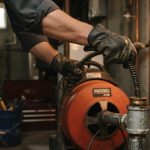
2. Mechanical snaking to break up or retrieve the clog
3. Hydro-jetting for grease buildup or more stubborn blockages
4. Camera inspection when a clog is recurring or location is unclear
This step-by-step process is why professional cleaning tends to outlast home remedies. Rather than pushing a clog further down the line, it targets and removes the material causing the backup.
Keeping Drains Clear Going Forward
A few consistent habits go a long way toward preventing repeat clogs. Scraping grease into the trash instead of the sink, using a hair catcher in showers, and running hot water through kitchen drains after use all reduce buildup over time.
Scheduling a periodic drain inspection is also a practical step for homes with older plumbing or a history of slow drains. Catching early buildup during a routine visit is almost always simpler and less disruptive than responding to a full backup later.
Frequently Asked Questions
How do I know if a clog is in one fixture or the main line? If only one drain is slow, the clog is likely local to that fixture. If multiple drains back up at the same time, or water rises in one fixture when another is used, the blockage is probably in the main line.
Is a gurgling sound always a sign of a clog? Gurgling usually means air is trapped in the pipe because something is restricting normal flow. It is not always severe, but it should not be ignored if it happens repeatedly.
Can I use chemical drain cleaner safely at home? Occasional use on a minor, single-fixture clog is generally low risk, but repeated use can damage older pipes and will not fix deeper or recurring blockages.
When should I call a plumber instead of trying a DIY fix? Call a plumber if a clog returns after treatment, affects more than one fixture, or comes with a persistent odor, since these usually point to a problem beyond the reach of home tools.
Paying attention to slow drains, odd sounds, and recurring smells gives homeowners an early window to act before a minor clog becomes a major repair. For plumbing issues that go beyond a simple plunger fix, Victory Plumbing can assess the drain, identify the cause, and clear it using the right tools for the job.


